
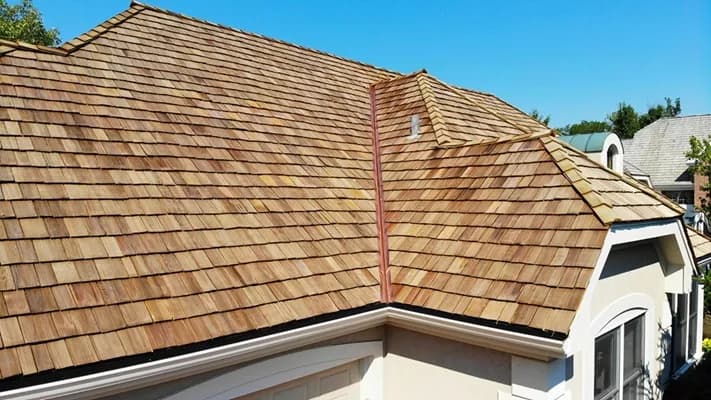
Choosing the right cedar product is one of the most important steps in ensuring a long-lasting, beautiful roof system. Cedar naturally offers excellent durability, weather resistance, and insulation value, but in certain environments, homeowners may benefit from installing CCA-treated cedar.
CCA (Chromated Copper Arsenate) is a preservative treatment applied to wood under high pressure. It protects the material against rot, fungi, decay, and insect damage. Non-treated cedar hasn't been chemically enhanced; it relies on its inherent oils and tannins to resist moisture and insects. Both treated and non-treated cedar make an excellent choice for residential roofing where natural beauty, color, and grain are desirable.
Understanding CCA-Treated Cedar
CCA-treated cedar undergoes a pressure treatment process that infuses the wood with preservative chemicals. This treatment penetrates deep into the wood fibers, providing long-lasting protection that goes far beyond what surface treatments can offer.
Benefits of CCA-Treated Cedar
- Offers maximum resistance to rot, mold, and insects—even in extreme climates
- Ideal for regions with high rainfall, humidity, or persistent coastal moisture
- Extended lifespan in challenging environments where untreated wood would deteriorate quickly
- Reduced maintenance requirements over the life of the installation
- Protection against wood-boring insects and termites
Where CCA-Treated Cedar Is Recommended
- High-risk areas prone to moss, fungus, or termite activity
- Coastal, tropical, or extremely wet climates where natural cedar may degrade faster
- Properties surrounded by dense vegetation or in shaded areas with limited airflow
- Regions with high humidity levels throughout the year
- Applications where the cedar may be in contact with or near the ground
Understanding Non-Treated Cedar
Non-treated cedar relies entirely on its natural properties for protection. Western Red Cedar and Alaskan Yellow Cedar both contain natural oils, called thujaplicins, and tannins that provide inherent resistance to decay and insects. For centuries, builders have trusted untreated cedar for its remarkable natural durability.
Benefits of Non-Treated Cedar
- Naturally durable with inherent resistance to moisture and insects
- Performs exceptionally well in traditional roofing systems when installed correctly
- Aging is predictable and uniform, developing a natural silver-gray patina
- No chemical treatments means a completely natural, eco-friendly product
- Retains the authentic cedar aroma that many homeowners appreciate
- Often preferred for its pure, unaltered appearance and color
Where Non-Treated Cedar Is Best
- Cedar shakes and shingles used as the primary roof covering
- Homes prioritizing natural appearance and a traditional cedar aesthetic
- Roof systems designed with proper ventilation and drainage
- Dry or moderate climates where cedar already performs extremely well
- Roof assemblies with adequate air circulation beneath the shakes
- Projects where maintaining a completely natural product is important
Climate Considerations
Your local climate plays a significant role in determining whether CCA-treated or non-treated cedar is the better choice for your project.
Humid and Wet Climates
In areas with persistent moisture, high humidity, or frequent rainfall, CCA-treated cedar provides an extra layer of protection that can significantly extend the life of your roof. The treatment helps prevent the growth of mold, mildew, and fungi that thrive in wet conditions.
Moderate and Dry Climates
In regions with moderate rainfall and good air circulation, non-treated cedar performs exceptionally well. The natural oils in cedar are often sufficient to protect against decay and insects when the wood is allowed to dry properly between wet periods.
Coastal Environments
Coastal properties face unique challenges including salt air, high humidity, and often persistent fog or mist. CCA-treated cedar is frequently recommended for these applications, as the constant moisture exposure can accelerate the breakdown of untreated wood.
Installation and Ventilation
Regardless of whether you choose treated or non-treated cedar, proper installation is critical to long-term performance. Both types of cedar benefit from:
- Adequate ventilation to allow moisture to escape
- Proper spacing between shakes or shingles for airflow
- Quality underlayment that manages moisture while allowing the roof to breathe
- Correct fastening techniques using appropriate stainless steel or hot-dipped galvanized nails
When installed correctly with attention to ventilation and drainage, non-treated cedar can last 30 to 50 years or more. CCA-treated cedar may extend that lifespan even further in challenging environments.
Appearance and Aging
Both treated and non-treated cedar will weather and change color over time. Non-treated cedar typically ages to a beautiful silver-gray patina that many homeowners find appealing. CCA-treated cedar may develop a slightly different tone due to the treatment chemicals, though it will also weather naturally over time.
If maintaining a specific color is important, both types of cedar can be stained or sealed. However, many homeowners choose cedar specifically because they appreciate the natural aging process and the character it adds to their home.
Making Your Decision
The choice between CCA-treated and non-treated cedar ultimately depends on your specific circumstances:
Choose CCA-treated cedar if:
- You live in a high-moisture or coastal environment
- Your property has limited sun exposure or poor air circulation
- Termites or wood-boring insects are common in your area
- You want maximum protection with minimal maintenance
Choose non-treated cedar if:
- You live in a moderate or dry climate
- You prefer a completely natural, chemical-free product
- Your installation will have proper ventilation and drainage
- You value the authentic appearance and aging characteristics of natural cedar
REVMA's Recommendation
At REVMA, we work with premium cedar products from trusted suppliers who offer both CCA-treated and non-treated options. Our experienced team can assess your specific situation—including your local climate, property conditions, and aesthetic preferences—to recommend the best cedar solution for your project.
Whether you choose treated or non-treated cedar, you're investing in a premium natural material that will protect and beautify your home for decades. Contact us today to discuss your cedar roofing project and discover which option is right for you.