When it comes to choosing cedar for your home, understanding the differences between red cedar and yellow cedar is essential. Both types offer unique beauty and durability, but knowing their characteristics will help you make an informed decision when looking to enhance your home's appeal and longevity.
Whether you're planning a new cedar roof installation or replacing an aging cedar roof, selecting the right type of cedar is one of the most important decisions you'll make. Each variety brings distinct advantages that may align better with your aesthetic preferences, climate conditions, and long-term maintenance expectations.
What Is Western Red Cedar?
Western Red Cedar is a popular choice for homeowners due to its rich, warm tones and natural resistance to decay. Native to the Pacific Northwest, this cedar variety has been used for centuries in construction, prized by indigenous peoples and modern builders alike for its exceptional properties.
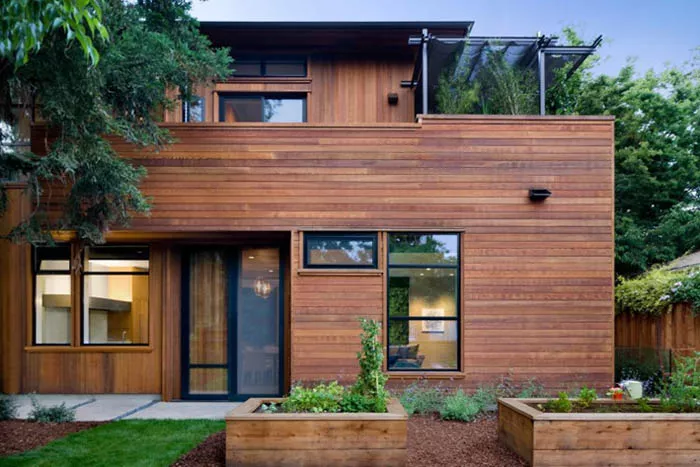
Red cedar ranges in color from light reddish-brown to deep, dark red, adding warmth and character to your home. Its distinctive aroma and natural beauty make it a favorite for those seeking a classic, inviting appearance that complements both traditional and contemporary architecture.
Key Features of Western Red Cedar
Color: Deep reddish-brown hues that darken with age, creating a rich, distinguished appearance that many homeowners find irresistible. The color variation within each piece adds visual interest and depth to any installation.
Durability: Naturally resistant to rot, insects, and moisture, making it ideal for roofing applications. Western Red Cedar contains natural oils called thujaplicins that act as preservatives, protecting the wood from decay without chemical treatments.
Aroma: Pleasant, natural scent that also repels insects. This characteristic cedar smell is released when the wood is cut or exposed to moisture, providing a sensory experience that many homeowners appreciate.
Aging Characteristics: Western Red Cedar retains its red-brown tones for years when left untreated. The knots and grain patterns become more pronounced over time, enhancing the wood's natural texture and beauty. If left to weather naturally, it will eventually develop a distinguished silver-gray patina while maintaining its structural integrity.
Workability: Western Red Cedar is lightweight and easy to work with, making it a favorite among contractors. It cuts cleanly, accepts stains and finishes well, and can be installed using standard tools and techniques.
Thermal Performance: Cedar has excellent insulating properties, helping to regulate interior temperatures and potentially reducing energy costs. Western Red Cedar's cellular structure contains air pockets that provide natural insulation superior to many other building materials.
What Is Alaskan Yellow Cedar?
Alaskan Yellow Cedar, despite its name, actually grows primarily in the coastal regions of British Columbia and Alaska. It has a lighter, more subtle appearance compared to red cedar, offering a clean, elegant look that works beautifully in both modern and traditional home designs.
Known for its exceptional durability and fine grain, Alaskan Yellow Cedar is often considered the premium choice among cedar varieties. Its density and natural resistance to decay make it particularly well-suited for demanding applications where longevity is paramount.
Key Features of Alaskan Yellow Cedar
Color: Light yellow, often with a subtle green tint that gives it a fresh, clean appearance. This lighter coloration makes it an excellent choice for homes where a bright, airy aesthetic is desired.
Durability: Extremely durable and naturally resistant to decay and insect damage, even in harsh climates. Alaskan Yellow Cedar is denser than Western Red Cedar, which contributes to its exceptional longevity and resistance to wear.
Texture: Fine-grained, smooth texture that accepts stains and finishes exceptionally well. The consistent grain pattern creates a refined appearance that appeals to homeowners seeking a polished, sophisticated look.
Longevity: Known for long-lasting performance in roofing applications. Alaskan Yellow Cedar has been used in historic buildings that remain standing after more than a century, testament to its remarkable durability.
Aging Characteristics: Alaskan Yellow Cedar lightens and develops a subtle silver-gray patina over time, giving it a distinctive, weathered look that many find appealing. This natural aging process is uniform and elegant, creating a timeless appearance that improves with age.
Density: Approximately 30% denser than Western Red Cedar, Alaskan Yellow Cedar offers superior hardness and resistance to denting and wear. This makes it particularly suitable for high-traffic areas or applications where the wood may be subject to physical stress.
Comparing the Two: Which Cedar Is Right for You?
Appearance Preferences
If you prefer warm, rich tones that add traditional character to your home, Western Red Cedar is likely your best choice. Its reddish-brown hues create a classic aesthetic that has been popular for generations.
If you prefer a lighter, more contemporary look with subtle elegance, Alaskan Yellow Cedar may be the better option. Its pale yellow tones and fine grain create a modern, sophisticated appearance.
Climate Considerations
Both cedar types perform excellently in various climates, but there are subtle differences worth considering. Alaskan Yellow Cedar's higher density makes it slightly more resistant to physical damage from hail or debris, while Western Red Cedar's natural oils provide excellent protection in humid environments.
For coastal properties or homes in areas with significant moisture exposure, both varieties offer superior performance compared to other wood species. However, Alaskan Yellow Cedar's density may provide a slight edge in extreme conditions.
Long-Term Aging
Consider how you want your cedar to look in 10, 20, or even 50 years. Western Red Cedar maintains its warm coloration longer before weathering to gray, while Alaskan Yellow Cedar transitions to its silver-gray patina more uniformly.
Both varieties can be maintained with periodic staining or sealing if you wish to preserve their original colors, or left untreated to develop their natural weathered appearance.
Budget Considerations
Alaskan Yellow Cedar typically commands a premium price due to its density, scarcity, and exceptional durability. Western Red Cedar, while still a premium material, is generally more readily available and may fit better within some budgets.
However, when considering lifetime value, both varieties offer excellent returns on investment due to their longevity and low maintenance requirements compared to other roofing materials.
Making Your Decision
Ultimately, the choice between Western Red Cedar and Alaskan Yellow Cedar comes down to your personal preferences, budget, and specific project requirements. Both varieties represent the pinnacle of natural roofing materials, offering beauty, durability, and sustainability that synthetic alternatives simply cannot match.
At REVMA, we work with premium suppliers who provide both Western Red Cedar and Alaskan Yellow Cedar products. Our experienced team can help you evaluate your options, consider your home's architecture and your personal style preferences, and select the cedar variety that will best serve your needs for decades to come.
Whether you choose the warm richness of Western Red Cedar or the refined elegance of Alaskan Yellow Cedar, you're investing in a natural, sustainable material that will protect and beautify your home for generations. Contact us today to discuss your cedar roofing project and discover which cedar type is perfect for your home.